
Pronunciation foundation
Chinese Tones Explained: A Practical Beginner’s Guide
Learn the four Mandarin tones and the neutral tone with clear pinyin examples, listening habits, and a simple practice routine.
In Mandarin Chinese, a syllable’s pitch pattern helps determine its meaning. The syllable ma can refer to a mother, hemp, a horse, scolding, or serve a grammatical function depending on its tone and context.
The goal is not to sing every word mechanically. It is to hear the shape of a tone, connect that sound with its written tone mark, and reproduce it clearly enough that a listener can recognize the word.
The four tones and the neutral tone
Tone marks are written above the main vowel in pinyin. Numbers are also used in dictionaries and typing systems: mā can be written ma1, má as ma2, mǎ as ma3, and mà as ma4.
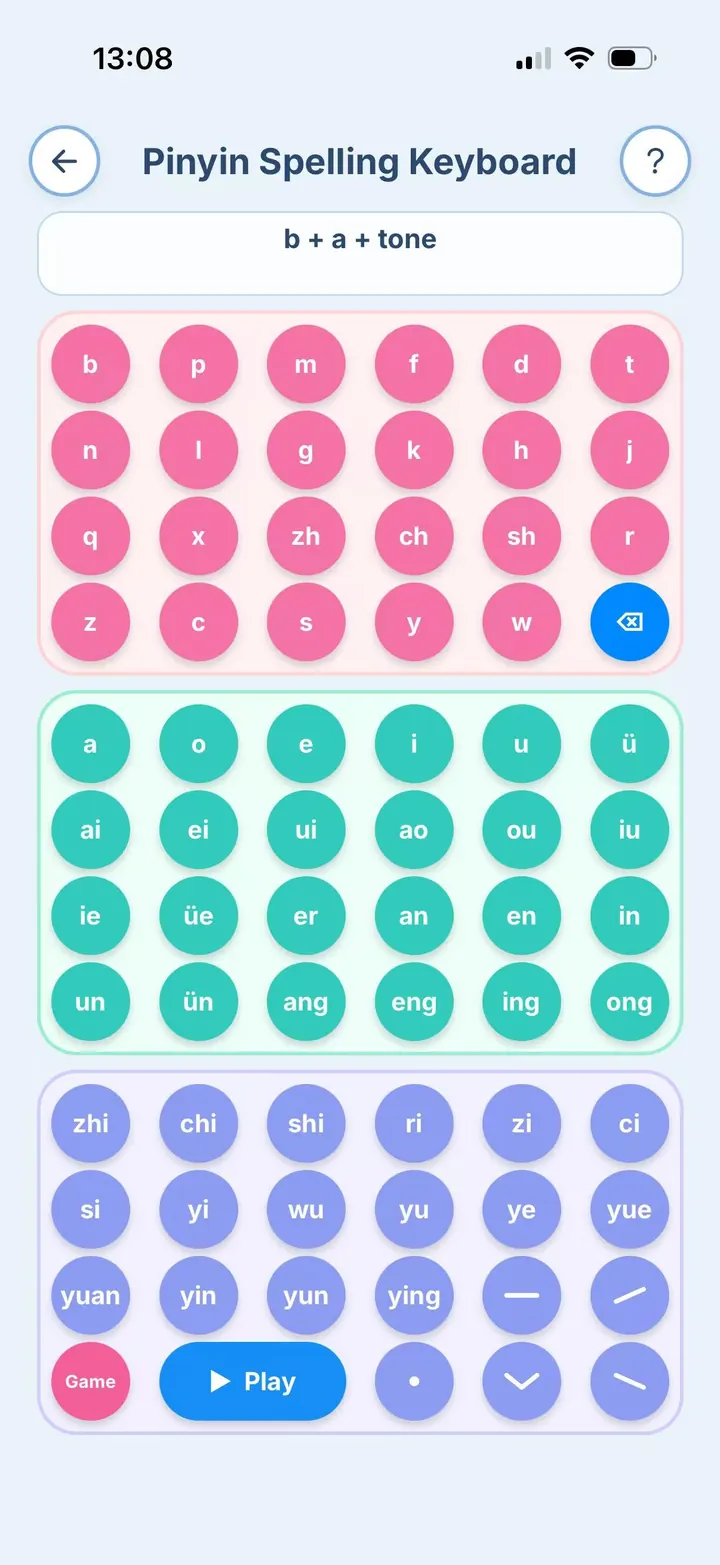
What each tone should feel like
- First tone stays comfortably high. Keep the pitch steady instead of pushing your voice louder.
- Second tone rises as if you are asking “Really?” in English.
- Third tone is usually low in normal speech. The full fall-and-rise shape is clearest when the syllable is isolated or emphasized.
- Fourth tone drops quickly and decisively. It is short, but it should not sound angry by default.
- The neutral tone depends on the tone before it. Keep it brief and unstressed rather than assigning it a fixed pitch.
Why tones change in connected speech
Real Mandarin is spoken in phrases, so tones influence one another. A familiar example is 你好. Both characters are written with third tone, but the first syllable is commonly pronounced with a rising shape: ní hǎo.
This does not make tone marks unreliable. The written tone identifies the word, while tone changes describe how that word sounds beside other syllables. Learn the dictionary tone first, then notice common changes in complete phrases.
A five-minute daily tone routine
Chivoc’s Pinyin Keyboard and Pinyin Wheel let you build syllables, change tones, and replay pronunciation. Short, accurate repetition is more useful than saying a mistaken tone many times quickly.
- Listen once without looking at the pinyin and identify the tone shape.
- Look at the tone mark, listen again, and trace the pitch direction with one finger.
- Repeat the syllable, then compare your version with the recording.
- Practise two-syllable words so tones become part of real speech rather than isolated drills.
- Finish with one short sentence and keep the stressed words clear.